
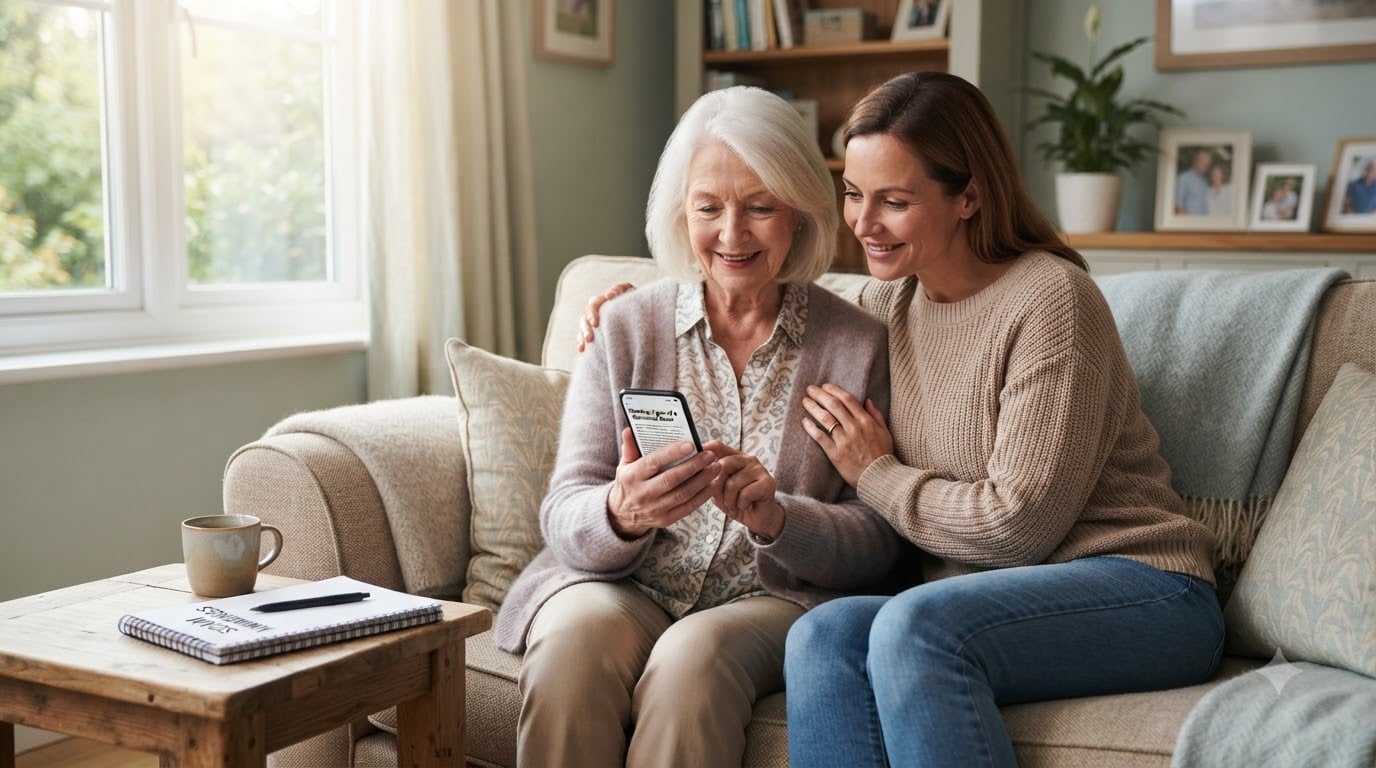
Romance scam red flags are showing up in more family conversations than ever before. According to the FBI, Americans lost more than $672 million to romance scams in 2026, and adults over 60 account for a growing share of those victims. If your mother, father, aunt, or grandparent is dating online, the warning signs below are worth memorising before they ever lose a dollar.
I have spent the past several months interviewing family caregivers, fraud investigators, and adult children of scam victims while putting this guide together. The goal is simple: give you a clear, practical roadmap to recognise romance scam red flags and protect an older relative, even if the conversation feels uncomfortable or the relative refuses to admit anything is wrong.
Table of Contents
- What Is a Romance Scam and Why Older Adults Are Targeted?
- The 10 Most Common Romance Scam Red Flags
- The Psychology Behind Romance Scam Manipulation
- How to Protect an Older Relative From Romance Scams?
- What to Do If Your Relative Is Already Being Scammed?
- Helping a Loved One Recover Emotionally and Financially
- FAQs
- Protect Your Family Before the Next Scam Reaches Your Door
What Is a Romance Scam and Why Older Adults Are Targeted?
A romance scam is a type of online fraud where a criminal creates a fake identity on dating sites, social media, or messaging apps to build a romantic relationship with a victim and eventually convince them to send money. The FBI describes it as a long-term emotional con, not a quick theft, which is exactly why older relatives make such attractive targets.
How a romance scam actually works:
The scammer builds a believable profile using photos stolen from real people.
They reach out with friendly messages, often with a flattering “we have so much in common” opener.
They invest weeks or months in daily texts, voice notes, and video calls to build trust.
Once the emotional bond is set, a request for money appears, framed as an emergency, medical bill, plane ticket, or investment opportunity.
The pattern continues and escalates until the victim runs out of money, refuses to pay, or the scammer disappears.
Why scammers target older relatives:
Many older adults have steady savings, retirement accounts, or paid-off homes that they can access quickly.
Loneliness after a divorce, widowhood, or retirement makes online companionship feel meaningful.
Some older adults are less familiar with digital verification tools like reverse image search.
Generosity and politeness, often the strengths of an older generation, can be exploited by a flattering stranger.
When you understand that the scam is designed to feel like a real relationship, you start to see why traditional lectures rarely work. The strategy has to match the emotional reality of the victim.
The 10 Most Common Romance Scam Red Flags
Romance scam red flags fall into three groups: profile, communication, and money. Watch for any combination of these behaviours together, because scammers rarely use only one tactic.
Profile and Photo Red Flags
Profile photos that look professionally taken, that show a much younger person, or that appear on multiple accounts with different names are an immediate warning. Run the photos through a reverse image search (Google Images, TinEye, or Yandex) to see if they have been lifted from a public social media account.
The profile uses model-quality photos or only a handful of pictures.
The person claims to be a soldier, overseas contractor, oil rig worker, or surgeon, classic “high-status but unreachable” identities.
The bio is short, vague, or filled with vague spiritual phrases like “honest, kind, looking for my soulmate.”
Communication and Behaviour Red Flags
Scammers move fast because they want an emotional hook before logic can intervene. A relative who suddenly talks about a brand-new partner every day is showing one of the clearest romance scam red flags.
Love bombing within days: declarations of love, pet names, and future plans before you have even met.
Excuses to avoid meeting in person: travel problems, frozen accounts, sudden medical issues, or “visas” that never clear.
Requests to switch platforms quickly, moving the chat off a dating app to WhatsApp, Telegram, or Google Hangouts.
Inconsistent stories about where they live, work, or grew up. Catch a small detail and ask again later.
Refusing or deflecting video calls, especially if the excuse repeats.
Money and Platform Red Flags
The moment any monetary request appears, you are looking at a romance scam. Period. The FTC is direct: never send money or gifts to someone you have not met in person.
Requests for wire transfers, gift cards, cryptocurrency, or payment apps like Zelle and Cash App.
Stories about a medical emergency, customs fee, frozen bank account, or a child in trouble.
Pressure to keep the relationship secret from family, framed as “let me surprise you when we finally meet.”
Asking your relative to open a new bank account, receive packages, or transfer money on behalf of someone else (a money mule setup).
If you see just one of these signs, do not panic. If you see several together, treat it as a serious warning and start gathering more information before confronting anyone.
The Psychology Behind Romance Scam Manipulation
Romance scammers do not just ask for money. They engineer feelings. Understanding the psychology helps you respond with empathy instead of anger, which is what your relative actually needs to hear you.
Love Bombing and Rapid Intimacy
Love bombing is a deliberate pattern of overwhelming affection, constant messaging, and future-faking meant to make the victim feel chosen and special. The constant attention feels intoxicating, especially to someone who has been lonely for a long time.
Scammers mirror the victim’s interests, repeat their phrases, and send good-morning texts. Within weeks, the victim is emotionally invested and far less likely to listen to a skeptical family member. This is the exact reason romance scam red flags are so hard to spot from the inside.
Isolation and Authority Tactics
Once the bond is strong, the scammer begins discouraging contact with family. They may say the family is “jealous,” “negative,” or “trying to ruin our love.” Some scammers impersonate officials, sending fake documents from “customs” or “the United Nations” to add credibility to money requests.
Adult children on caregiver forums like r/Scams and r/AgingParents describe this phase as the most painful. The parent defends the scammer, not because they are foolish, but because the relationship has become their primary emotional anchor. Treat that anchor with respect when you intervene.
How to Protect an Older Relative From Romance Scams?
Prevention is much easier than recovery. The goal is to build habits, not rules, so your relative feels supported rather than policed.
Open the Conversation Without Accusation
Start early, ideally before any scam has happened. Use news stories, not suspicion, as the trigger. “I read this article about a sweet older woman who lost her savings, that could happen to anyone, right?” works better than “I think the guy you are talking to is a criminal.”
Normalise the conversation by sharing a story from a trusted source like AARP, the FTC, or your local news.
Ask curious questions: “How did you two meet?” “What does he do for work?” “Have you talked on video?”
Agree together on a family rule: no money, account credentials, or package forwarding for anyone not met in person.
Build Digital Safety Habits Together
Sit with your relative and walk through their dating app, social media, and messaging apps. Show them how to do a reverse image search in 30 seconds. Set their social media profiles to private and turn off location tags.
Create a shared checklist that includes: never send money or gift cards online, never click links from strangers, never share banking login details, and always tell a family member before sending funds to a new romantic partner.
Set Financial Guardrails
Talk to the bank about adding a second signatory, daily transfer limits, or fraud alerts on large transactions. Many banks allow trusted-contact alerts that notify a family member if activity looks unusual. This is a normal, used-by-millions safety feature, not a sign of incapacity.
You can also register the phone number on the National Do Not Call Registry (US) or the equivalent in your country. None of these steps stops a determined scammer, but they slow down the worst impulse decisions.
What to Do If Your Relative Is Already Being Scammed?
If you suspect an older relative is already caught in a romance scam, treat the next 72 hours as urgent. The faster you act, the more money you can save and the easier the emotional recovery becomes.
Immediate First Steps
Stay calm. Panicking will push your relative closer to the scammer, who is already offering comfort.
Gather evidence. Screenshot messages, transaction records, and profile information without deleting anything.
Contact the bank or payment provider. Ask for an emergency hold, recall of recent transfers, and new account credentials.
Change passwords and enable two-factor authentication on email, banking, and social media accounts.
Report the scam to the FBI’s Internet Crime Complaint Center (IC3) at ic3.gov and to the FTC at ReportFraud.ftc.gov.
Tell other family members and trusted friends so the scammer’s isolation tactic is broken.
Reporting the Scam to the Right Authorities
In the US, file a report with the FBI IC3 and the FTC. In the UK, contact Action Fraud. In Australia, use Scamwatch. In Canada, report to the Canadian Anti-Fraud Centre. Even if recovery is unlikely, official reports help investigators track scam networks and warn other victims.
If the scammer used gift cards, contact the retailer (Amazon, Apple, Google, Steam, Walmart) immediately. They can sometimes freeze unredeemed balances. For cryptocurrency, the recovery options are limited but reporting gives exchanges a chance to flag the receiving address.
Helping a Loved One Recover Emotionally and Financially
Recovery from a romance scam is rarely about money. It is about grief for a relationship that felt real, shame, and sometimes anger at the family for not stopping it sooner. Caregivers on forums consistently describe this stage as harder than the scam itself.
Validate the feelings without validating the scam. Phrases like “I can see why you cared about him” or “anyone could have been fooled by this” open the door. Audits and blame shut it. Some families find that a short course of therapy, a support group, or a visit to a local senior centre helps rebuild social confidence.
Watch for recovery scams. Once the first scammer disappears, a new “investigator” or “lawyer” often contacts the victim promising to recover the lost money for an upfront fee. This is the same network, or a partner network, coming back. Make a strict rule: no one outside official channels gets paid to “fix” the situation.
Finally, do not neglect yourself. If you are the adult child managing bank calls, police reports, and daily emotional check-ins, ask for help. Adult Protective Services, local senior centres, and caregiver support groups can share the load.
FAQs
How to outsmart a romance scammer?
Outsmarting a romance scammer starts with refusing to send money and refusing to share personal information. Ask for a live video call, run their photos through a reverse image search, and look for inconsistencies in their stories. Once you have proof, stop contact and report the profile to the platform and to the FTC or your local fraud authority.
How to help a family member in a romance scam?
Help a family member by staying calm, gathering evidence, and contacting their bank to block further transfers. Talk to them gently, validate their feelings, and avoid calling them foolish. File reports with the FBI IC3 and the FTC, change passwords, and set up fraud alerts so the scammer cannot come back as a fake ‘recovery agent.’
What to do if an elderly relative is being scammed?
If an elderly relative is being scammed, call their bank immediately to freeze suspicious transfers and reset account credentials. Screenshot every message, file reports with the FBI IC3 and the FTC, and tell other family members so the scammer’s isolation tactic fails. Then offer emotional support without blame, because most victims believe the relationship is real.
How to test a romance scammer?
You can test a romance scammer by asking for a live video call, requesting a meeting in person, or doing a reverse image search on their profile photos. Ask detailed questions about their daily life and re-ask a few days later to spot inconsistencies. Any refusal to video chat or meet, combined with a sudden money request, is a strong sign of a scam.
Protect Your Family Before the Next Scam Reaches Your Door
Romance scam red flags are not just a list to memorise. They are the language of a much larger conversation between families about loneliness, trust, and digital safety. The single most important thing you can do is start that conversation now, before a scammer does it for you.
Talk to your older relatives this week. Share a story. Ask a curious question. Set up a basic digital safety habit together. If you suspect a scam is already underway, treat the first 72 hours as urgent: bank, evidence, reports, support. And remember, the goal is not to win an argument. The goal is to keep a loved one financially safe and emotionally intact for the conversations that come next.